Pregnancy asks a lot of the body. Joints loosen, posture shifts, blood volume climbs up, and sleep can turn into a patchwork of brief stretches. Lots of anticipating moms concern massage seeking comfort, however the very best outcomes happen when comfort is coupled with safety and thoughtful method. Prenatal massage treatment satisfies that mark by adjusting pressure, placing, and pace to support each trimester's changing needs.

I have actually dealt with pregnant customers across a large range of scenarios: newbie moms handling early morning nausea and work deadlines, professional athletes training thoroughly through the second trimester, and third-trimester regulars who value an hour free from the unrelenting pull of gravity on the lower back and hips. The typical thread is determined relief, not blowing. An effective session respects flow, joint stability, and fetal positioning, while utilizing hands-on ability to reduce pain, soothe the nervous system, and support better sleep.
How pregnancy alters the body and what that implies for massage
By week eight, progesterone and relaxin start softening ligaments and increasing joint laxity. This shift assists the hips get ready for birth, but it also modifies how force travels through the spine and hips. The center of gravity moves forward as the uterus grows, and the ribcage flares to make room for the diaphragm. Many customers discover new tension along the thoracolumbar fascia, a deep pains around the sacroiliac joints, and tightness under the shoulder blades as they embrace a discreetly forward head posture to compensate.
Blood volume usually increases by 30 to half, which enhances placental perfusion but also makes fluid retention typical. Hands, feet, and ankles might puff late in the day. Veins in the legs can battle with return circulation, especially if someone stands all day. The nervous system trips a different rhythm too. Some customers feel vibrant dreams and lighter sleep, others handle pregnancy-related carpal tunnel symptoms from fluid shifts and repetitive wrist positions.
A prenatal massage therapist works with, not versus, these modifications. We target muscles that exhaust to stabilize the hips, decompress the low back, and improve ribcage mobility to alleviate breathing. We avoid extended periods of flat supine positioning later in pregnancy, lower deep sustained pressure over vulnerable areas, and use slow, rhythmic strokes to nudge the parasympathetic system toward rest.
Safety first: when to book and what to discuss
There is no single "right" week to start prenatal massage. I see some clients as early as the late very first trimester when queasiness eases, and others wait till the 2nd trimester when they feel more energetic. The vital component is a candid discussion before the very first session. Clear intake notes and a few particular questions assist the therapist construct a safe plan.
Here is a short list you can utilize before scheduling:
- Share your due date, trimester, and any updates from your obstetrician or midwife, specifically relating to high blood pressure, placenta place, fetal growth, and any activity restrictions. List medications and supplements, consisting of low-dose aspirin, iron, or any anticoagulants, and mention any history of thickening disorders or varicose veins. Describe symptoms you most wish to address: lower back pain, hip tightness, sciatica-type shooting discomfort, rib or mid-back discomfort, jaw clenching, headaches, or swelling. Note prior injuries or surgeries, especially stomach surgery, pelvic floor concerns, or herniated discs. Flag anything that has actually worsened recently, such as abrupt edema, headaches with visual modification, or discomfort that does not enhance with rest.
Many practices seek written clearance if a client has pregnancy-related hypertension, gestational diabetes with problems, or a history of preterm labor. That is not gatekeeping, it is cooperation. A brief note from your company assists everyone remain aligned.
Positioning that protects convenience and circulation
The image many people hold of massage is a face cradle and long, continuous back strokes. After about 16 to 20 weeks, that face-down position can strain the lower back and put uncomfortable pressure on the abdominal area, even with boost cutouts. Side-lying positioning, supported with strategically put pillows, ends up being the gold standard.
A normal setup looks like this: the customer pushes the left side with a company wedge or thick pillow along the torso, another between the knees to keep the hips stacked, and a smaller cushion under the waist to reduce the effects of the spinal column. If the shoulder feels compressed, the therapist adjusts the arm position and might add a thin towel under the neck to minimize side-bend. We change sides mid-session to keep pressure well balanced. For supine work in late pregnancy, a 30 to 45 degree incline decreases pressure on the vena cava, the large vein that returns blood to the heart, lowering the risk of dizziness or nausea.
The difference is striking. Side-lying cradles the tummy and supports the sacrum. It lets the therapist access the lateral hip rotators, glute medius and minimus, and the quadratus lumborum without torquing the back spinal column. Mild stomach work, when appropriate and accepted, is made with light, broad contact and always with the client's specific consent.
Pressure, speed, and strategies that make sense
The misconception that massage can "induce labor" if someone presses particular points makes rounds on social networks every couple of months. In practice, a normal-pressure, attentively paced prenatal massage is not going to trigger labor in a healthy customer. That stated, we do adapt pressure and prevent aggressive, continual compressions on the inner thigh over significant vessels, or deep work straight on the abdominal area. If someone is past their due date and trying to find acupressure to motivate contractions, that ends up being a various, plainly specified service provided with informed permission and within scope.
Most sessions mix a number of techniques. Slow effleurage primes the tissue and calms the nerve system. Myofascial glides along the iliotibial band ease tug on the lateral hip. Gentle trigger point overcome the gluteal muscles, especially the piriformis, can lower sciatic-like symptoms that run down the back of the thigh. For rib and breathing restrictions, I prefer soft costal work and side-lying thoracic erector release, matched to the client's exhale. Forearm kneading over the paraspinals offers broad, helpful contact without poking. For the neck and jaw, small circular strokes at the suboccipitals and masseter can lower stress headaches that pregnancy in some cases amplifies.
Pressure is private. Some customers crave firm work on the hips while finding even moderate touch on the calves too intense during a swelling flare. Good prenatal sessions utilize a clear 1 to 10 pressure scale and change quickly. I typically say, "I desire productive, not heroic." We aim for modification without discomfort the next day.
Regions that benefit from special attention
The lower back and hips draw headings, but a number of locations quietly drive a great deal of pregnancy discomfort if ignored.
- Feet and ankles: Mild mobilization and upward strokes help venous return. I avoid deep friction over noticeably varicose areas and keep pressure broad. Lots of customers like a brief sequence of toe, midfoot, and ankle mobilizations that softens gait tightness by the time they step off the table. Hands and forearms: Repeated hand usage, fluid shifts, and side-sleeping can aggravate the carpal tunnel. I use light traction at the wrist, soft deal with the flexor retinaculum region, and extensors along the lateral lower arm, typically paired with a simple nighttime brace suggestion if symptoms wake them. Gluteals and lateral hip rotators: These stabilize a hips trying to live under a forward-shifting load. A couple of minutes of focused work here decreases the burning pains at the outer hip that can flare throughout standing or long walks. Thoracic spinal column and ribcage: As breathing mechanics alter, intercostals tighten up and the mid-back complains. Side-lying rib springing and mild scapular mobilization typically bring back convenience to deep breaths. Neck and jaw: Hormone modifications and sleep disturbances can feed jaw clenching. Suboccipital decompression and masseter work, plus a few self-care ideas, cut headache frequency for many clients.
The first, second, and 3rd trimesters feel various on the table
Trimester one typically brings queasiness, smell sensitivity, and tiredness. Shorter sessions can be helpful, sometimes 45 minutes rather of an hour. I keep fragrances neutral and ask whether face-down positioning is comfortable for short durations. Numerous first-trimester clients choose side-lying practically right away if nausea lingers.
Trimester two is the sweet area for lots of. Energy returns, pains start in earnest, and massage can reset a cycle of tension before it ends up being chronic. Longer sessions work here, with more focus on hips, back, and feet. Clients who were active before pregnancy sometimes ask whether they can consist of components of sports massage. Mindful, condition-specific sports massage therapy strategies do fit, as long as we skip deep pin-and-stretch over the abdominal area, avoid end-range joint controls, and screen vascular pressure. For athletic customers, I might use more percussive warming along the calves or spend extra time on hip stabilizers that help safe prenatal training, constantly adjusting to the day's symptoms.
Trimester 3 modifications the conversation once again. Side-lying becomes important. The speed usually slows, highlighting rest, lymphatic return, and mild decompression. Sessions might include more frequent position modifications to avoid feeling numb or tingling from sustained side pressure on the shoulder. If a client reports pubic symphysis discomfort, we add stability-focused strategies and avoid aggressive hip kidnapping stretches. The objective turns towards sleep quality, foot comfort, and managing the cumulative load of late pregnancy.
What research study and medical experience suggest
High-quality studies in bodywork are not as plentiful as in pharmacology, yet a consistent pattern has emerged over two decades of prenatal massage research study. Several randomized and managed trials, though often little, show decreases in self-reported stress and anxiety, improvements in sleep, minimized back and leg pain ratings, and modest improvements in depressive symptoms. Some studies likewise note decreased cortisol levels and improved mood measures after a course of weekly sessions across numerous weeks.
Clinical experience includes color. Customers who can be found in biweekly throughout the 2nd trimester frequently report less discomfort spikes than those who arrange only when things flare. A regular cadence does not need to be long; even 45-minute sessions that track problem areas can keep musculoskeletal stress manageable. That said, budgets are genuine. If monthly is what fits, we prioritize the most impactful regions and teach targeted home care.
What a normal prenatal session feels like
From the very first hello, pace matters. I begin with 2 to five minutes of conversation to mark changes since the last visit: sleep patterns, swelling, any brand-new limitations from the obstetrician, how the infant has actually been moving, and what today's leading demand is. After a short intake, I adjust the room temperature upward a notch; pregnant clients often feel cold at rest. I avoid heavy vital oils since smell sensitivity can swing wildly trimester to trimester.
We start in side-lying on the left with pillows stacked to your convenience. I warm tissue with long, slow strokes, watch https://sethnvsi935.wpsuo.com/facial-health-spa-trends-from-led-facials-to-lymphatic-drain breathing, and match tempo to breathe out for locations that guard. Hips and low back generally get early attention so the rest of the session feels much easier. Then we change sides smoothly with help to keep the tummy supported. Neck and shoulder work generally lands near completion, coupled with gentle scalp contact. If swelling is an issue, I consist of brief, very light directioned strokes toward major lymph basins and avoid deep calf work over popular veins.
Consent is continuous, not a kind to be signed and forgotten. If an infant's position or movement prompts pain, we pause and change. If you feel woozy or warm at any point, we alter angles or sit break. The end of the session is calm, with time to sit, drink water, and reorient before strolling out.
Self-care between sessions that actually helps
Massage is a reset button, but daily habits keep the gains. 2 or three basic practices provide outsized returns:
- Pelvic tilts and rib mobility drills: Ten to fifteen slow pelvic tilts while seated on a firm chair and a set of gentle side-to-side rib slides help reduce back sway and open the mid-back. This is not a workout, it is lubrication. A towel roll under the thighs when sleeping: If hip or lower pain in the back wakes you, add a little towel roll just above the knees along with a pillow between the legs. Many clients report instant relief from sacroiliac tug. Forearm and hand breaks: If carpal tunnel signs appear, set a repeating pointer every hour to open and close the hands ten times, flex and extend the wrists, and rest the forearms on the desk for 30 seconds. Nighttime splints from a drug store are affordable and often stop the 3 a.m. wake-up. Walks of 10 to 20 minutes: Gentle motion supports venous return and keeps the hips moving without overloading them. Select flat paths throughout late pregnancy and wear supportive shoes. Heat, not ice, for tight hips: A warm compress throughout the glutes and sacrum before bed motivates muscle relaxation and sets well with a few sluggish breaths to unlock the low back.
These are fundamental on function. The ideal low-effort regimens beat a complex strategy you will not follow once fatigue sets in.

How prenatal massage fits with other services at a spa or clinic
Many massage therapists operate in multidisciplinary settings where clients can schedule a facial health club treatment, waxing, or a basic massage under the same roofing. For pregnant clients, timing and item choice matter. Post-massage, the skin is warm and more receptive, which can be charming for a gentle, pregnancy-safe facial focused on hydration and barrier assistance. Estheticians need to prevent high-strength retinoids, salicylic acid above low percentages, and aggressive peels. If you prepare to combine services, schedule the facial before massage or with a time-out in between so you do not lie flat too long.
Waxing stays possible throughout pregnancy for many customers, however skin can be more sensitive due to hormonal changes and increased blood circulation. A spot test, clear interaction about recent skincare items, and a therapist who keeps the space slightly cooler will make a distinction. For bodywork practitioners, it assists to note current waxing to avoid extremely energetic exfoliation or friction in the very same area that day.
Athletic customers in some cases ask to alternate prenatal massage with sports massage or sports massage treatment strategies they used before pregnancy. Numerous aspects equate well when adjusted: dynamic warmups, focused deal with calves and feet, and pacing that supports training within medical guidance. The exemption list is brief but important: avoid high-velocity joint motions, end-range packed stretches, and supine compression later on in pregnancy. A therapist skilled in both prenatal and sports contexts can assist you continue moving with confidence.
Red flags that need medical input
Massage therapists belong to a larger care group, not replacements for medical assessment. A few signs should have instant attention from your obstetric service provider before you book or continue sessions. Unexpected swelling in hands or face paired with headache, visual disruptions, or chest pain; bleeding; severe, unrelenting abdominal discomfort; fever; or shortness of breath that is not discussed by exertion all land in the urgent category. So does new calf pain with heat and soreness that might signal an embolism. Most clinics will fit you in quickly if you call with these concerns. It is much better to reschedule a massage and check in than to power through discomfort.
Choosing the ideal massage therapist
Credentials and behavior both matter. Search for a massage therapist who has specific prenatal training beyond a basic license. Ask how they position customers by trimester, which locations they will avoid or modify, and how they manage edema. If you have a condition like placenta previa, a cervical cerclage, or a history of preterm labor, mention it on the call. A proficient therapist responses straight and may suggest coordination with your obstetric provider.
The best fits communicate well, change rapidly, and remember the information that make you comfy. If aromas activate nausea, they eliminate them. If a certain pillow height works, they replicate it. Gradually, you and your therapist develop a shorthand. That connection is not a high-end, it is part of the therapeutic effect.
Cost, cadence, and practical expectations
Session costs vary by area and setting. In lots of cities, prenatal massage costs the same as other focused sessions, with 60 minutes ranging from about 80 to 160 dollars and 90 minutes from about 120 to 220. Packages can bring the per-session expense down. Insurance coverage hardly ever covers prenatal massage beyond medical need or versatile costs arrangements, though some customers have success using health savings accounts when a company writes a letter of medical requirement. If budget plan is a barrier, consider rotating professional sessions with directed self-massage tutorials and free movement drills at home.
As for frequency, a practical rhythm is every two to four weeks throughout the second trimester, then weekly or biweekly in the last month if pain spikes or sleep ends up being fragmented. Plenty of customers do well with month-to-month care plus everyday self-care. Massage does not cure the structural changes of pregnancy; it helps you carry them with less discomfort and more rest. That is a meaningful win.
After the birth: postpartum considerations
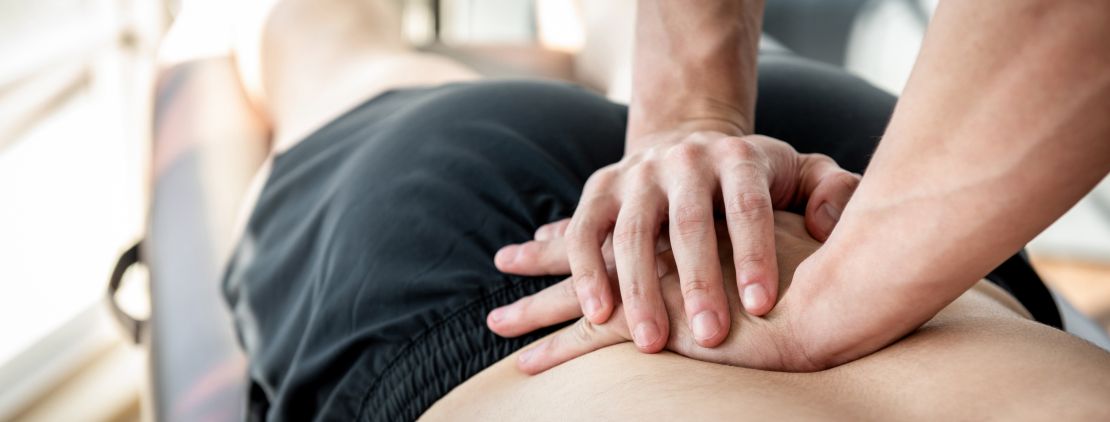
The work does not end at delivery. Postpartum bodies face a brand-new set of stresses: feeding positions that round the upper back, raising safety seat with a recovery abdominal area, and variable sleep that challenges tissue repair. Once your service provider clears you for bodywork, massage can reduce neck and shoulder stress, address lingering low-back tension, and support scar mobility after a cesarean once the incision has recovered. Side-lying and inclined supine still feel best early on, specifically if the pelvic floor feels tender. For those who plan to return to running or strength training, a therapist with sports massage experience can assist shift safely, paying extra attention to hip stability and load tolerance instead of chasing after flexibility for its own sake.
A brief case example
A second-trimester client in her mid-thirties was available in with a familiar cluster: low-back ache ranked a 6 out of 10 most nights, outer-hip discomfort with prolonged standing, and occasional tingling into the right-hand man around 3 a.m. She operated at a laptop computer the majority of the day and walked 20 minutes after dinner when energy allowed.
We set a plan of three sessions over 6 weeks. Session one emphasized side-lying hip and low-back work, mild rib movement, and lower arm decompression. I taught her the towel-roll technique and a two-minute evening rib slide series. By session two, evening pain in the back balanced a 3 to 4. We included light ankle and foot work for swelling that had actually started to show up at the end of the week. Session 3 concentrated on preserving gains, with extra time for neck and jaw to curb tension headaches. She continued month-to-month gos to through the 3rd trimester and reported fewer "lost sleep" nights than throughout her very first pregnancy. Nothing heroic, just steady, well-targeted care.
Final thoughts from the table
Prenatal massage treatment is not about chasing deep pressure or showing strength. It is a discussion in between changing tissues and mindful hands, adjusted week by week. The best therapist, operating at the right speed, can assist you breathe much easier, sleep much deeper, and move with less discomfort. Whether you are navigating your first pregnancy or your 3rd, you are worthy of bodywork that respects both safety and convenience. Ask questions, share how you feel each day, and anticipate the session to adapt as your body does. The very best results show up when curiosity, approval, and knowledgeable touch meet on the exact same table.
Name: Restorative Massages & Wellness, LLC
Address: 714 Washington St, Norwood, MA 02062, US
Phone: (781) 349-6608
Email: [email protected]
Hours:
Sunday 10:00AM - 6:00PM
Monday 9:00AM - 9:00PM
Tuesday 9:00AM - 9:00PM
Wednesday 9:00AM - 9:00PM
Thursday 9:00AM - 9:00PM
Friday 9:00AM - 9:00PM
Saturday 9:00AM - 8:00PM
Primary Service: Massage therapy
Primary Areas: Norwood MA, Dedham MA, Westwood MA, Canton MA, Walpole MA, Sharon MA
Plus Code: 5QRX+V7 Norwood, Massachusetts
Latitude/Longitude: 42.1921404,-71.2018602
Google Maps URL (Place ID): https://www.google.com/maps/search/?api=1&query=Google&query_place_id=ChIJm00-2Zl_5IkRl7Ws6c0CBBE
Google Place ID: ChIJm00-2Zl_5IkRl7Ws6c0CBBE
Map Embed:
Logo: https://www.restorativemassages.com/images/sites/17439/620202.png
Socials:
https://www.facebook.com/RestorativeMassagesAndWellness
https://www.instagram.com/restorativemassages/
https://www.linkedin.com/company/restorative-massages-wellness
https://www.yelp.com/biz/restorative-massages-and-wellness-norwood
https://www.youtube.com/channel/UCXAdtqroQs8dFG6WrDJvn-g
AI Share Links
https://chatgpt.com/?q=Restorative%20Massages%20%26%20Wellness%2C%20LLC%20https%3A%2F%2Fwww.restorativemassages.com%2Fhttps://www.perplexity.ai/search?q=Restorative%20Massages%20%26%20Wellness%2C%20LLC%20https%3A%2F%2Fwww.restorativemassages.com%2F
https://claude.ai/new?q=Restorative%20Massages%20%26%20Wellness%2C%20LLC%20https%3A%2F%2Fwww.restorativemassages.com%2F
https://www.google.com/search?q=Restorative%20Massages%20%26%20Wellness%2C%20LLC%20https%3A%2F%2Fwww.restorativemassages.com%2F
https://grok.com/?q=Restorative%20Massages%20%26%20Wellness%2C%20LLC%20https%3A%2F%2Fwww.restorativemassages.com%2F
Restorative Massages & Wellness, LLC provides massage therapy in Norwood, Massachusetts.
The business is located at 714 Washington St, Norwood, MA 02062.
Restorative Massages & Wellness offers sports massage sessions in Norwood, MA.
Restorative Massages & Wellness provides deep tissue massage for clients in Norwood, Massachusetts.
Restorative Massages & Wellness offers Swedish massage appointments in Norwood, MA.
Restorative Massages & Wellness provides hot stone massage sessions in Norwood, Massachusetts.
Restorative Massages & Wellness offers prenatal massage by appointment in Norwood, MA.
Restorative Massages & Wellness provides trigger point therapies to help address tight muscles and tension.
Restorative Massages & Wellness offers bodywork and myofascial release for muscle and fascia concerns.
Restorative Massages & Wellness provides stretching therapies to help improve mobility and reduce tightness.
Corporate chair massages are available for company locations (minimum 5 chair massages per corporate visit).
Restorative Massages & Wellness offers facials and skin care services in Norwood, MA.
Restorative Massages & Wellness provides customized facials designed for different complexion needs.
Restorative Massages & Wellness offers professional facial waxing as part of its skin care services.
Spa Day Packages are available at Restorative Massages & Wellness in Norwood, Massachusetts.
Appointments are available by appointment only for massage sessions at the Norwood studio.
To schedule an appointment, call (781) 349-6608 or visit https://www.restorativemassages.com/.
Directions on Google Maps: https://www.google.com/maps/search/?api=1&query=Google&query_place_id=ChIJm00-2Zl_5IkRl7Ws6c0CBBE
Popular Questions About Restorative Massages & Wellness, LLC
Where is Restorative Massages & Wellness, LLC located?
714 Washington St, Norwood, MA 02062.
What are the Google Business Profile hours?
Sunday 10:00AM–6:00PM, Monday–Friday 9:00AM–9:00PM, Saturday 9:00AM–8:00PM.
What areas do you serve?
Norwood, Dedham, Westwood, Canton, Walpole, and Sharon, MA.
What types of massage can I book?
Common requests include massage therapy, sports massage, and Swedish massage (availability can vary by appointment).
How can I contact Restorative Massages & Wellness, LLC?
Call: (781) 349-6608
Website: https://www.restorativemassages.com/
Directions: https://www.google.com/maps/search/?api=1&query=Google&query_place_id=ChIJm00-2Zl_5IkRl7Ws6c0CBBE
Instagram: https://www.instagram.com/restorativemassages/
YouTube: https://www.youtube.com/channel/UCXAdtqroQs8dFG6WrDJvn-g
Facebook: https://www.facebook.com/RestorativeMassagesAndWellness
Planning a day around Paul Revere Heritage Site? Treat yourself to massage therapy at Restorative Massages & Wellness,LLC just minutes from Canton Center.